PPS Polymer Preparation System

orange-line

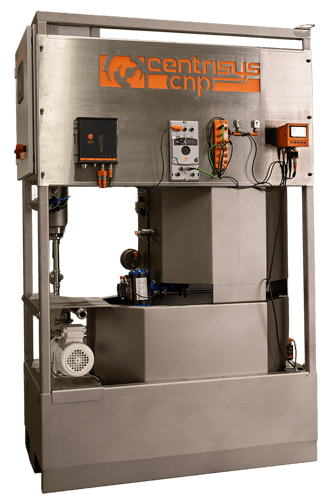
Get consistent polymer activation before it ever reaches the sludge. PPS Polymer Prep System is a complete, automated polymer preparation and dosing system, engineered around the polymer preparation process itself.

If your facility is fighting high polymer consumption, inconsistent decanter centrifuge dewatering, or centrate quality that changes shift to shift, the problem often starts upstream, before the polymer ever contacts the sludge. The PPS Polymer Prep System was designed around centrifuge polymer preparation principles: controlled high-energy initial dispersion, effective low-shear mixing, and continuous process monitoring that produces a consistent, fully activated polymer solution every time.

PPS-Polymer-Prep-System-1

Polymer is one of the largest recurring costs in your dewatering operation and can reach 30 to 50 percent of sludge processing costs.

When a portion of that polymer is never fully activated, you are paying for chemistry that never does its job. At many plants, dosing is quietly increased to cover for incomplete activation, which raises the chemical bill without fixing the root cause. Fully activating what you already buy is often the lowest-cost way to reduce polymer spend and stabilize centrifuge dewatering. 

Polymer performance starts before the polymer reaches the sludge.

Benefits of Controlled Polymer Preparation

  • Lower polymer consumption: With more stable conditions and fully structured polymer, the end result is less polymer per dry ton
  • Consistent solution quality: Conductivity-based monitoring verifies each batch rather than relying on a fixed timer alone
  • Consistent solution concentration: Automatic water and polymer metering holds the working concentration steady without add-on booster pumps
  • Operator visibility: Water flow, polymer flow, concentration, and solution development stay within a defined, monitored process window
  • Remote diagnostics and faster service: IO-Link extended diagnostics and remote access help identify and resolve faults quickly
  • Engineered around the preparation process, built on proven principles for professional preparation of synthetic polymeric flocculants

PPS Polymer Prep System Features

orange-line
  • Engineered around the process, not just the tank, designed to meet the charge-development and chain-extension requirements of effective polymer activation
  • Dedicated high-energy injection ring: Rapid, uniform wetting at 3–5 kW/m³ with no polymer strings or viscosity differences
  • Octagonal preparation tank: Prevents simple rotational flow and promotes corner turbulence for better hydration and extension
  • Low-shear axial and radial agitation: Mixes broad viscosity bands reliably without leaving residue or damaging expanded chains
  • Conductivity-based readiness check: A process indicator beyond a fixed timer
  • Comprehensive instrumentation: Polymer flow, water flow, pressure, temperature, conductivity, tank level, valve position, compressed air, and leakage
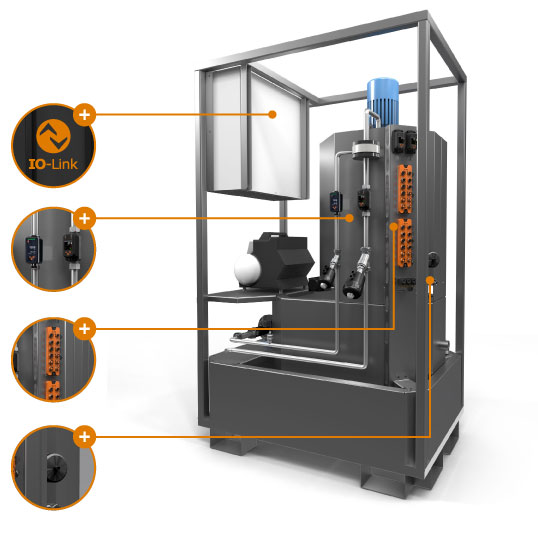
  • IO-Link diagnostics and remote access: Extended sensor diagnostics, parameter management, and remote service capability
  • Integrated leak monitoring: Level sensing in the containment tray for spill protection
  • Packaged for straightforward installation: Skid-mounted, packaged, or containerized configurations

PS-Polymer-System-Diagram

IO-Link connectivity, sensor and terminal instrumentation, and valve-position monitoring built into every PPS Polymer Prep System.


Polymer Preparation Results in the Field

Installed at 42 locations globally, the PPS Polymer Prep System has a track record facilities can size their expectations against.

cen-results-band-gray-1

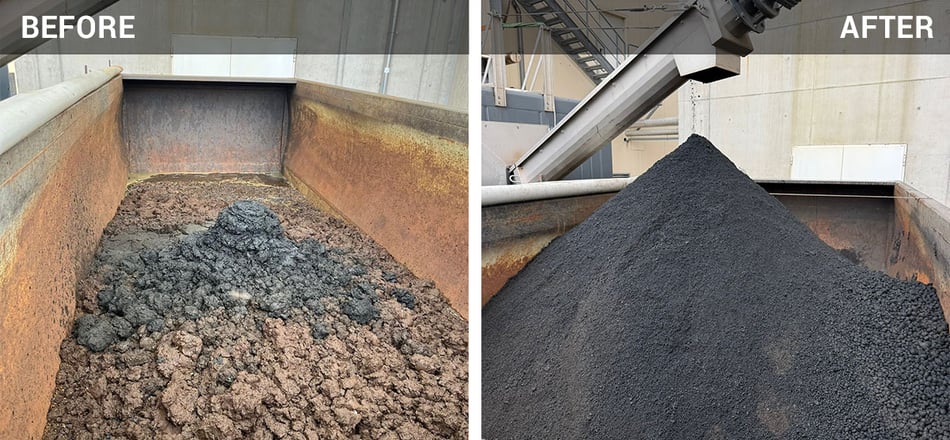
PPS-Polymer-Prep-System-Before-and-After

Individual facility example; results vary by sludge type, polymer chemistry, and dewatering equipment.


What Is a Polymer Dosing System?

A polymer dosing system prepares, activates, and meters flocculant polymer into sludge to improve dewatering by replacing tank-and-timer methods with controlled dispersion, maturation, and monitoring. The PPS Polymer Prep System delivers the preparation and activation stages of that process, then transfers the fully activated solution to dosing.

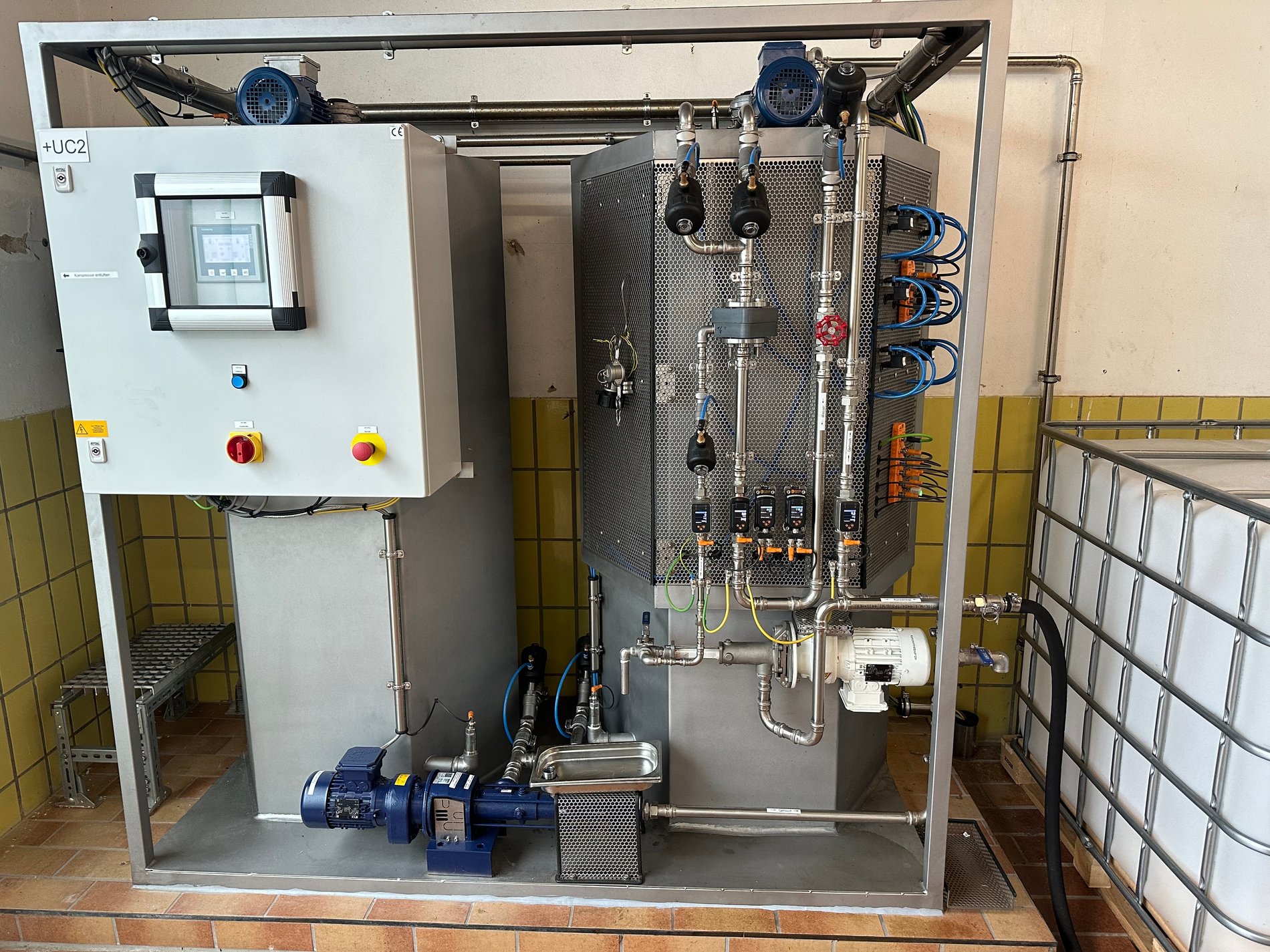
Felsberg


How the PPS Polymer Prep System Works

The PPS Polymer Prep System is a complete, automated polymer preparation package. Rather than relying only on tank volume and a fixed maturationtimer, it controls the specific conditions that influence polymer dispersion, solution development, concentration, and process consistency, and it makes those conditions visible to the operator.

1. Controlled metering. Water and polymer are metered under automatic flow measurement and ratio control, establishing the correct working solution concentration, typically about 0.1–0.5%, depending on polymer and application.

2. High-energy initial dispersion. A specially designed injection ring introduces polymer into the water stream at a specific mixing energy of approximately 3–5 kW/m³. This stage achieves rapid, uniform dispersion without creating polymer “strings” or local concentration differences.

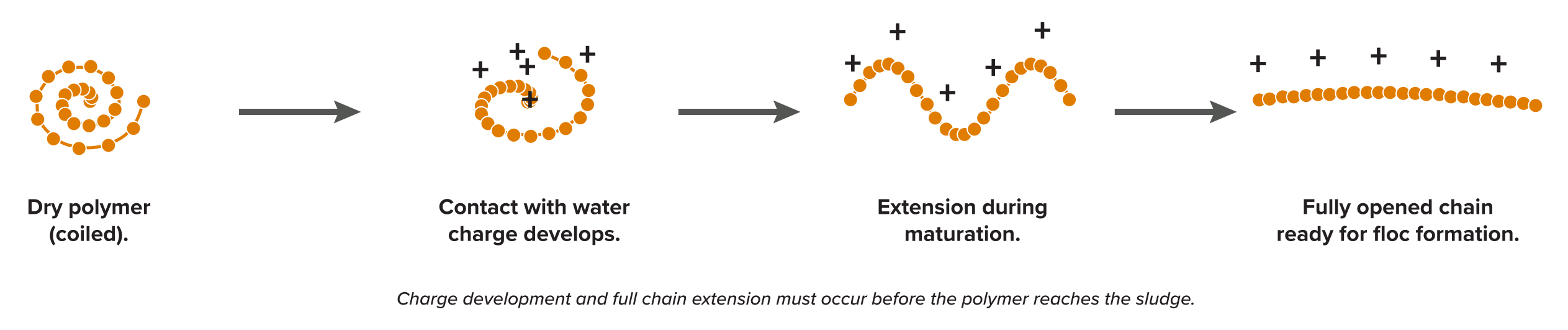
3. Low-shear maturation. After initial dispersion, the solution matures in an engineered octagonal tank. The tank-and-agitator geometry produces axial and radial flow that fully hydrates and extends the polymer molecules while limiting the excessive shear that fast propellers can cause, which damages already-expanded chains.

4. Solution quality monitoring. An inductive conductivity sensor confirms the solution has reached its target set point and is ready for use. Instrumentation continuously monitors polymer flow, water flow, pressure, temperature, tank level, valve position, compressed-air supply, and leakage.

5. Automatic transfer. Once ready, the activated solution is transferred to the storage or dosing section under level and valve-position control, ready to condition the sludge.

How Polymer Activates: The Chain Opening Process

PPS Polymer Prep System How Polymer Activates

How polymer activates: from a coiled dry molecule to a fully opened, charged chain ready for floc formation.

The Controlled Batch Approach

There is only one reliable way to prepare polymer: a controlled batch process with a defined maturation time. That single design choice gives the polymer enough time and the right mixing conditions to fully activate before it reaches the sludge. By controlling all of the inputs (water flow, polymer flow, dispersion energy, mixing, and maturation), the polymer solution is perfected for use every time.

Why controlled preparation, not just more polymer

A controlled preparation process takes the opposite path: it puts the effort into fully activating the polymer you already buy, so a given result takes less chemical rather than more. When dewatering slips, the fastest reaction is often to turn up the polymer dose. It can mask the symptom, but it treats incomplete activation by buying more of the same chemistry, so the chemical bill climbs while the root cause stays in place.

PPS Polymer Prep System Specifications

Specification PPS ¼ Ton PPS ½ Ton PPS Full Ton
Maximum Solution Output 660 gph (2.5 m³/h) 1,325 gph (5.0 m³/h) 2,000 gph (7.6 m³/h)
Preparation tank capacity 66 gal (250 L) 132 gal (500 L) 264 gal (1,000 L)
Final Concentration 0.1–0.5% (typical) 0.1–0.5% (typical) 0.1–0.5% (typical)
Initial Dispersion Mixing Energy 3–5 kW/m³ 3–5 kW/m³ 3–5 kW/m³
Dilution Water Demand Scales with selected solution output; confirmed at sizing
Power Consumption 1.35 kWh/h 2.5 kWh/h 3.25 kWh/h
Footprint (L × W × H) 30″ × 50″ × 80″ 80″ × 50″ × 80″ 80″ × 60″ × 80″
Total Static Empty Weight 550 lbs (249 kg) 1,600 lbs (726 kg) 2,125 lbs (964 kg)
Arrangement Skid-mounted / packaged / containerized
Maximum Solution Output 660 gph (2.5 m³/h)
Preparation tank capacity 66 gal (250 L)
Final Concentration 0.1–0.5% (typical)
Initial Dispersion Mixing Energy 3–5 kW/m³
Dilution Water Demand Scales with selected solution output; confirmed at sizing
Power Consumption 1.35 kWh/h
Footprint (L × W × H) 30″ × 50″ × 80″
Total Static Empty Weight 550 lbs (249 kg)
Arrangement Skid-mounted / packaged / containerized
Maximum Solution Output 1,325 gph (5.0 m³/h)
Preparation tank capacity 132 gal (500 L)
Final Concentration 0.1–0.5% (typical)
Initial Dispersion Mixing Energy 3–5 kW/m³
Dilution Water Demand
Power Consumption 2.5 kWh/h
Footprint (L × W × H) 80″ × 50″ × 80″
Total Static Empty Weight 1,600 lbs (726 kg)
Arrangement
Maximum Solution Output 2,000 gph (7.6 m³/h)
Preparation tank capacity 264 gal (1,000 L)
Final Concentration 0.1–0.5% (typical)
Initial Dispersion Mixing Energy 3–5 kW/m³
Dilution Water Demand
Power Consumption 3.25 kWh/h
Footprint (L × W × H) 80″ × 60″ × 80″
Total Static Empty Weight 2,125 lbs (964 kg)
Arrangement
Maximum Solution Output
Preparation tank capacity
Final Concentration
Initial Dispersion Mixing Energy
Dilution Water Demand
Power Consumption
Footprint (L × W × H)
Total Static Empty Weight
Arrangement
Maximum Solution Output
Preparation tank capacity
Final Concentration
Initial Dispersion Mixing Energy
Dilution Water Demand
Power Consumption
Footprint (L × W × H)
Total Static Empty Weight
Arrangement
Maximum Solution Output
Preparation tank capacity
Final Concentration
Initial Dispersion Mixing Energy
Dilution Water Demand
Power Consumption
Footprint (L × W × H)
Total Static Empty Weight
Arrangement
Maximum Solution Output 660 gph (2.5 m³/h)
Preparation tank capacity 66 gal (250 L)
Final Concentration 0.1–0.5% (typical)
Initial Dispersion Mixing Energy 3–5 kW/m³
Dilution Water Demand Scales with selected solution output; confirmed at sizing
Power Consumption 1.35 kWh/h
Footprint (L × W × H) 30″ × 50″ × 80″
Total Static Empty Weight 550 lbs (249 kg)
Arrangement Skid-mounted / packaged / containerized
Maximum Solution Output 1,325 gph (5.0 m³/h)
Preparation tank capacity 132 gal (500 L)
Final Concentration 0.1–0.5% (typical)
Initial Dispersion Mixing Energy 3–5 kW/m³
Dilution Water Demand
Power Consumption 2.5 kWh/h
Footprint (L × W × H) 80″ × 50″ × 80″
Total Static Empty Weight 1,600 lbs (726 kg)
Arrangement
Maximum Solution Output 2,000 gph (7.6 m³/h)
Preparation tank capacity 264 gal (1,000 L)
Final Concentration 0.1–0.5% (typical)
Initial Dispersion Mixing Energy 3–5 kW/m³
Dilution Water Demand
Power Consumption 3.25 kWh/h
Footprint (L × W × H) 80″ × 60″ × 80″
Total Static Empty Weight 2,125 lbs (964 kg)
Arrangement
Maximum Solution Output
Preparation tank capacity
Final Concentration
Initial Dispersion Mixing Energy
Dilution Water Demand
Power Consumption
Footprint (L × W × H)
Total Static Empty Weight
Arrangement
Maximum Solution Output
Preparation tank capacity
Final Concentration
Initial Dispersion Mixing Energy
Dilution Water Demand
Power Consumption
Footprint (L × W × H)
Total Static Empty Weight
Arrangement
Maximum Solution Output
Preparation tank capacity
Final Concentration
Initial Dispersion Mixing Energy
Dilution Water Demand
Power Consumption
Footprint (L × W × H)
Total Static Empty Weight
Arrangement

Best-Suited Applications

  • Municipal wastewater treatment
  • Industrial wastewater treatment
  • Sludge thickening
  • Centrifuge and decanter dewatering
  • Belt press and screw press applications
  • Flotation (DAF) sludge and float handling
  • Rendering plants
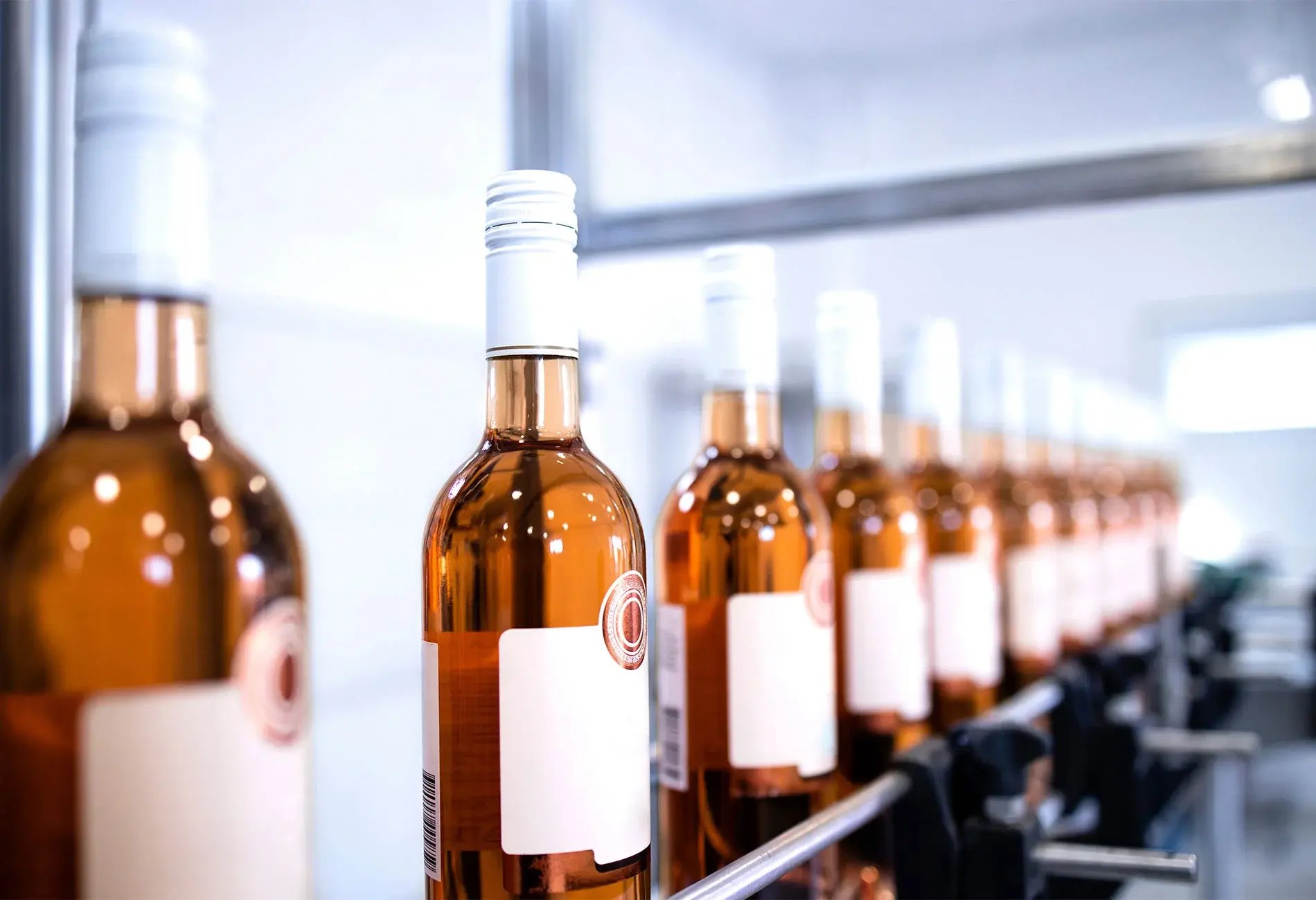
  • Breweries and wineries
  • Mobile and containerized dewatering systems
  • Retrofit projects
  • Packaged treatment systems

Options and Accessories That Matter Most

The most valuable options give operators the ability to continuously verify that water flow, polymer flow, concentration, and solution development stay within the intended process window:

  • Polymer flow measurement
  • Water flow measurement with automatic ratio control
  • Conductivity monitoring
  • Polymer temperature monitoring
  • Automatic concentration control
  • Storage and dosing tank configurations
  • Transfer valves with position monitoring
  • Remote access & IO-Link diagnostics
  • Leak detection & compressed-air monitoring
  • PLC or SCADA integration
  • Containerized or skid-mounted installation
  • Downstream dilution systems

industrial-food-beverage-protein-starch-oil


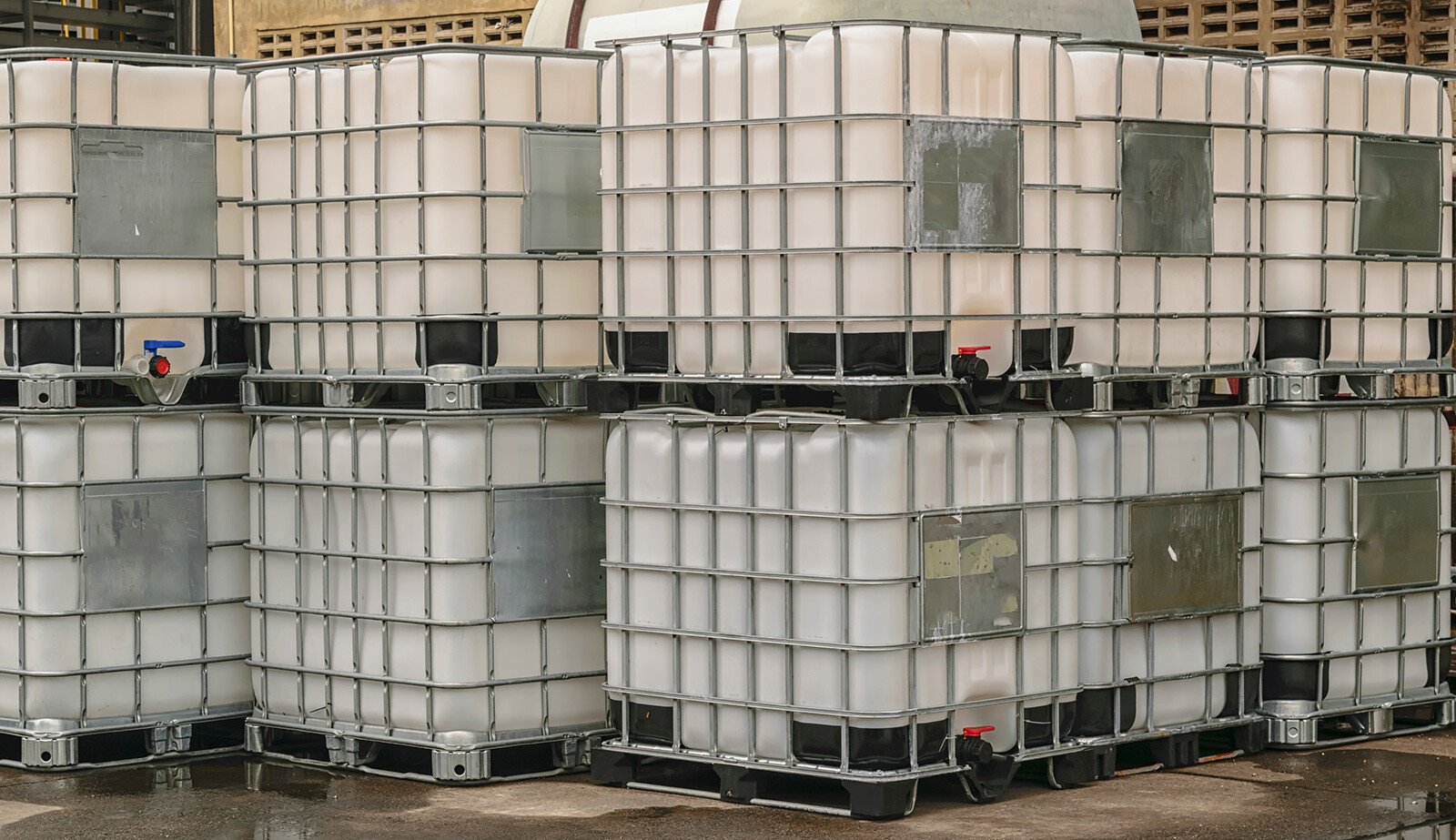
A stack of polymer bins set outside on pavement.


Maintenance at a Glance

Routine maintenance is primarily inspection-based:

  • Periodically inspect the polymer injection device, agitator, tanks, valves, and polymer lines for deposits or contamination
  • Flow measurement is self-checking. The system recommends recalibration automatically and falls back to a known rpm-to-flow curve if a meter reading drifts, so calibration is confirmed rather than guessed
  • Verify prepared polymer concentration against a reference measurement
  • Document polymer consumption, sludge quantity, and solids loading
  • Continuous automated preparation reduces the biological growth, slime, and discoloration that build up in static holding tanks; clean tanks and dosing equipment if any of these appear

Exact intervals depend on polymer chemistry, water quality, operating hours, and site conditions. For storage and handling, follow the polymer supplier's product and safety documentation; use prepared solution as fresh as practical and protect it from excessive heat and UV exposure.

Connect With Our Solutions Experts

Dealing with high polymer costs or inconsistent centrifuge dewatering at your facility? Talk to our team about what proper polymer preparation has changed at comparable plants, or request an engineering review to size a PPS Polymer Prep System around your sludge, polymer chemistry, and dewatering equipment.