Dairy Manure Separation Systems Reduce Handling Costs While Staying Compliant

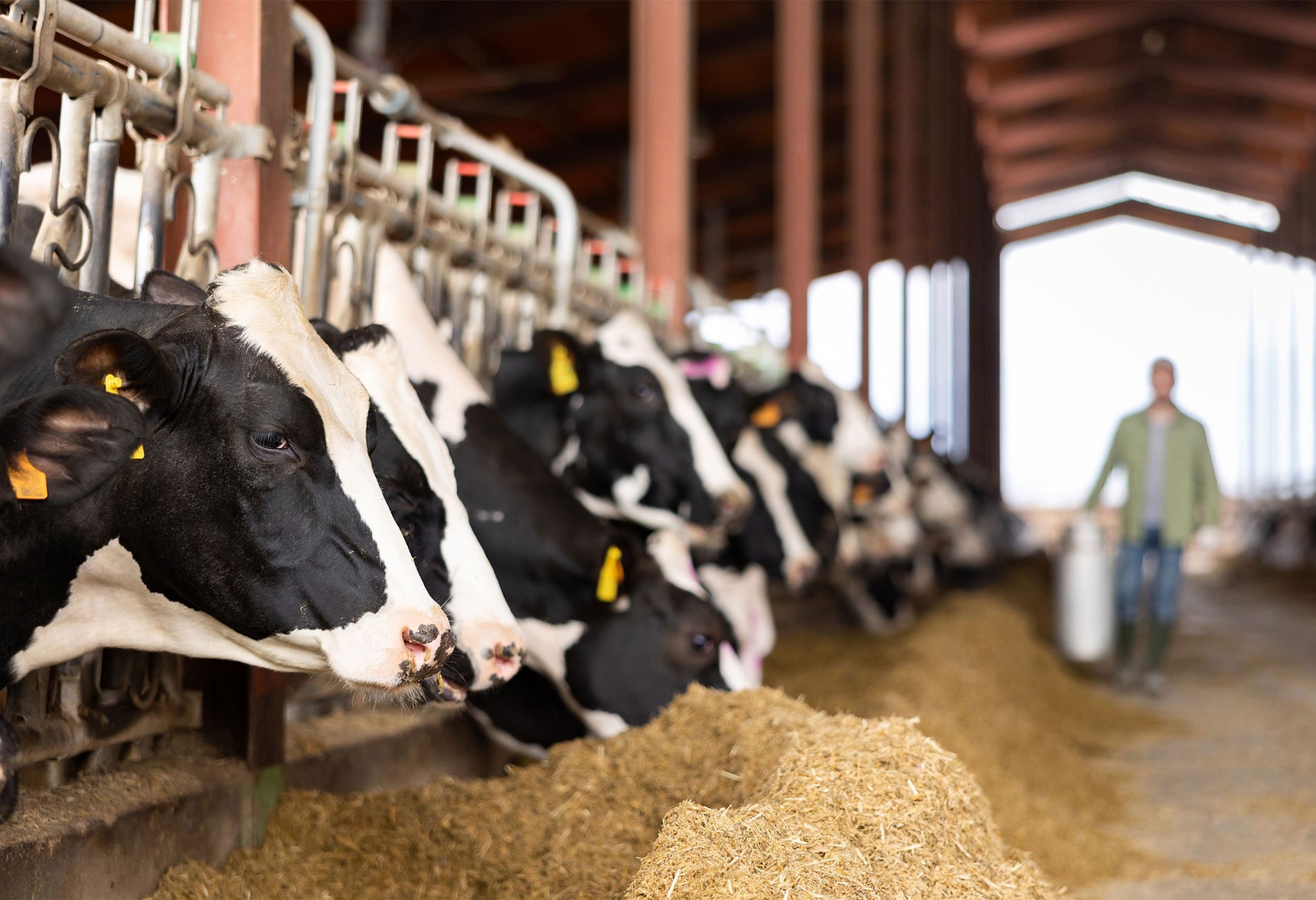
Whether you're dealing with rising hauling expenses, phosphorus restrictions, or annual lagoon dredging, the Centrisys DT Series, engineered specifically for dairy manure, helps operations reduce management costs while meeting environmental regulations.

Key Benefits of the DT Series

  • Built specifically for dairy operations: Handles variable manure consistency from diet, bedding, and housing systems
  • Lower annual operating costs: Reduce hauling expenses, lagoon dredging frequency, and purchased bedding
  • Meet phosphorus limits without chemicals: Mechanical separation achieves 30-50% phosphorus reduction
  • Minimal labor required: Fully automated operation with quarterly maintenance
Connect with a Dairy Expert
industrial animal waste dairy swine poultry

The Manure Management Challenge for Dairy Farms

Dairy farms with 500–5,000 cows face a consistent operational reality: the volume of manure production is growing while the costs and complexity of management remain high. This creates compounding financial and operational pressures:

Infrastructure and Storage Demands

Large-volume liquid manure requires significant storage capacity. Many operations rely on lagoon systems that accumulate solids over time, requiring periodic cleaning and dredging to maintain capacity.[attached_file:1] This process is labor-intensive and disrupts normal farm operations.

Regulatory Complexity

Phosphorus limits for land application are tightening in concentrated dairy regions. Environmental management plans now require that farms document how they manage nutrients—and raw manure application often exceeds these nutrient loading limits, forcing operations to haul waste further or risk non-compliance.

Labor and Operational Strain

Managing high-volume manure handling places ongoing demands on farm labor and equipment. Between moving, storing, and applying manure, this represents significant operational strain in an industry already facing workforce challenges.

What Is Manure Separation and How  Solid-Liquid Systems Work

Manure separation mechanically drives manure into two streams: a concentrated solid and a cleaner, low-TSS liquid. This provides advantages across storage, hauling, and land application.

Reduced Volume and Lower Hauling Costs

By removing suspended solids from the liquid, the volume requiring storage or haul-away decreases. This translates to fewer trips and lower operating costs.

 Improved Nutrient Management

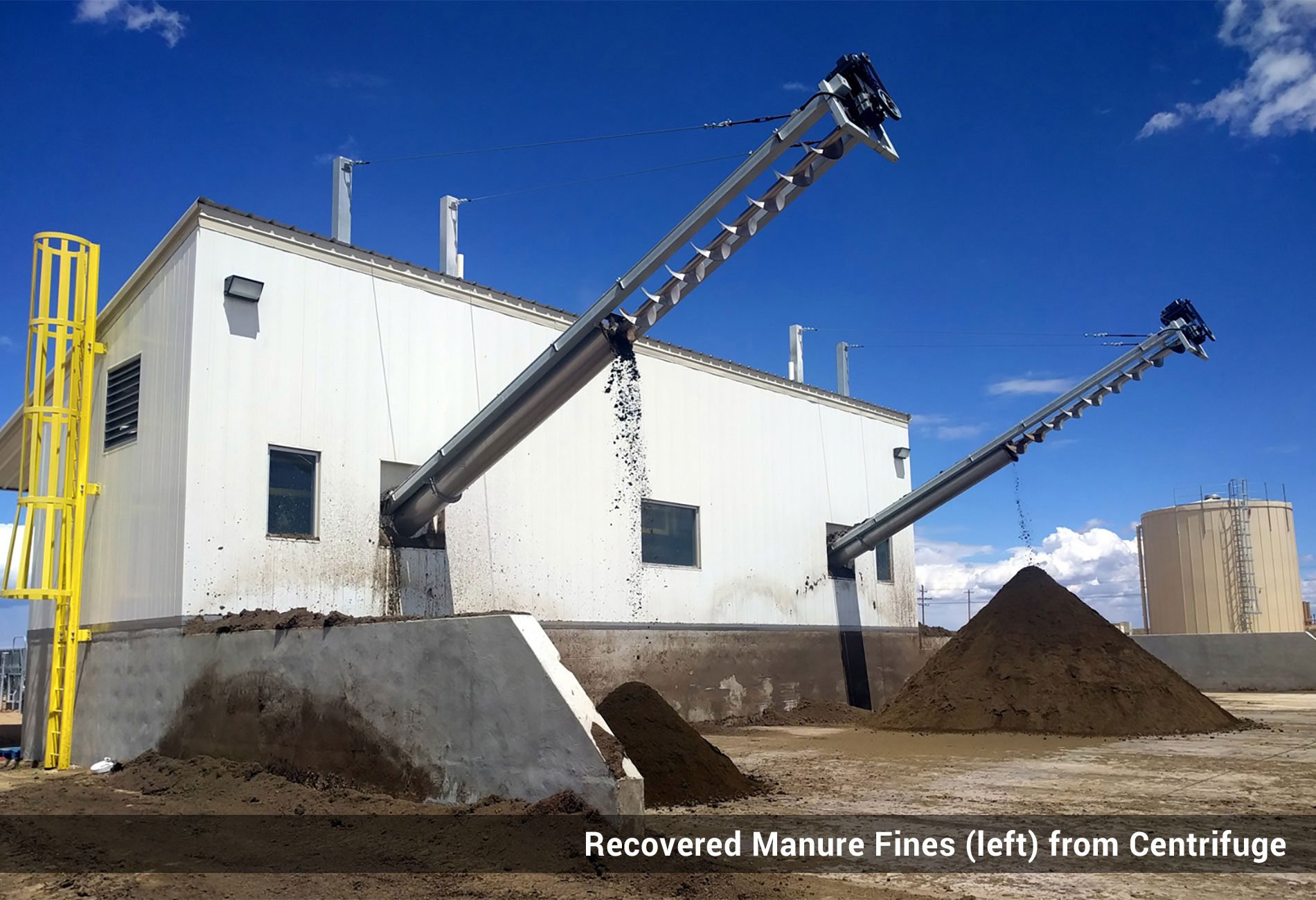
The separation process concentrates nutrients in the solid fraction while reducing nutrient load in the liquid. For farms managing phosphorus limits, this allows more flexibility in land application decisions.

Reusable Byproduct Potential

Separated solids can be reused in various ways, including:

  • Bedding material for livestock
  • Compost feedstock
  • Fertilizer
  • Other agricultural reuse applications

Cleaner, Low-TSS Liquid

The resulting liquid effluent contains fewer suspended particles, which reduces issues with irrigation equipment clogging when the liquid is applied to land.

DT Series: A Purpose-Built Manure Dewatering System for Dairy Operations

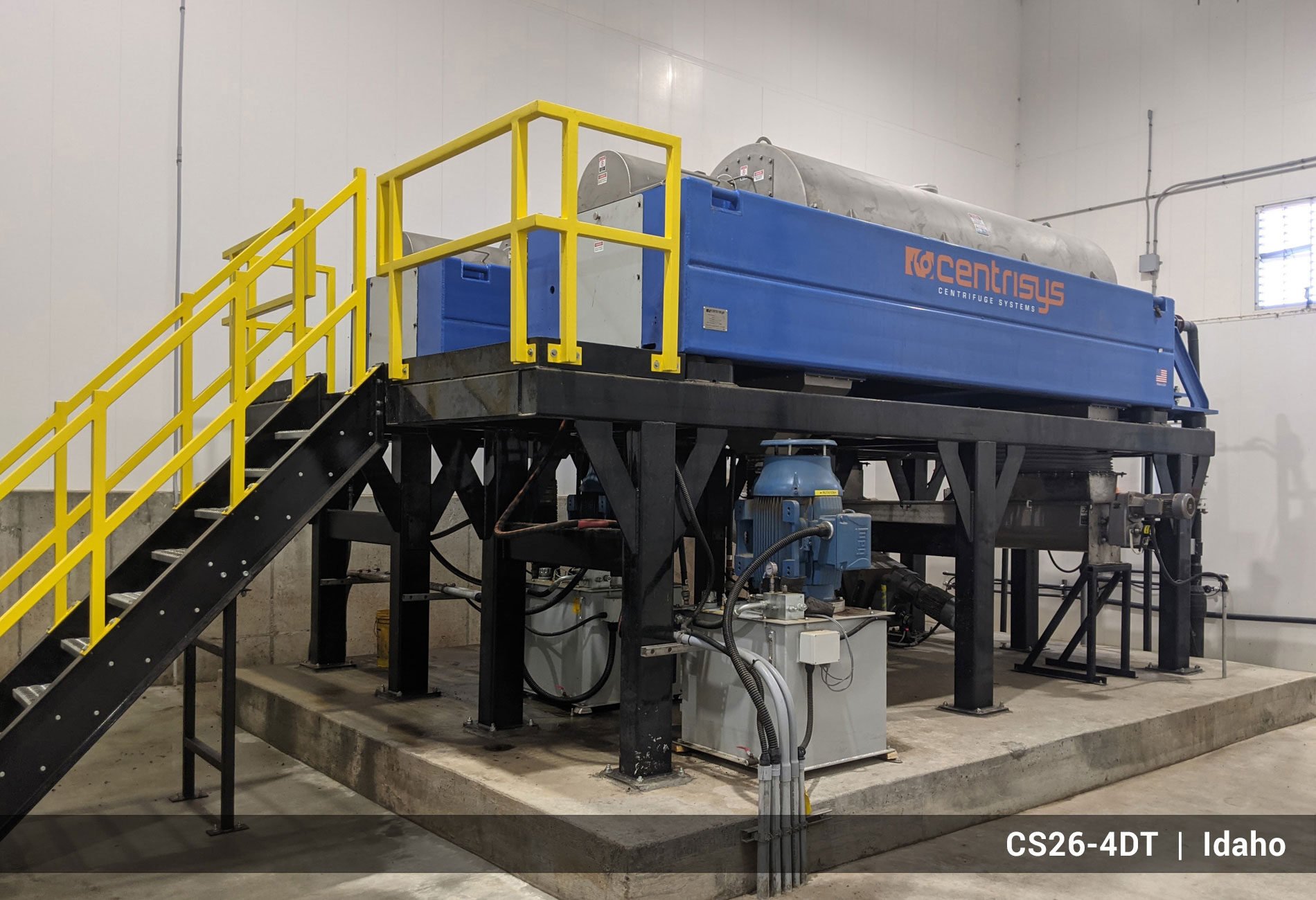
The Centrisys/CNP DT Series decanter centrifuge is engineered specifically for dairy manure processing. Unlike general-purpose separation equipment adapted from other industries, the DT Series is designed for the specific demands of dairy farming.

Design Features

High-Grade Wear Protection: Dairy manure consistency varies based on diet, bedding type, and housing system. The DT Series incorporates wear-resistant materials to handle this variability over extended operation.

Corrosion-Resistant Materials: Agricultural environments are harsh. Equipment must withstand exposure to acidic manure and outdoor weather conditions without degradation.

Compact Integration: The DT Series operates with a typical footprint of approximately 10×20 feet, making retrofit installations practical for existing facilities without major infrastructure changes.

Operational Characteristics

Automated, Continuous Operation: PLC-controlled systems allow continuous processing with minimal manual oversight—important for farms already managing labor constraints.

No Chemical Additives Required: Mechanical separation achieves results without ongoing polymer or chemical costs.

Designed for Long-Term Use: Field-tested equipment designed for durability and consistent performance across many years of dairy manure processing.


Real-World Manure Separation Results from DT Series Installations

Featured Manure Separation Case Study: Bettencourt Dairy (Wendell, Idaho)

Operation Profile

  • 13,000 Jersey dairy cows in crossvent scraped barns
  • 234,000+ gallons of manure generated daily (18 gal/cow/day)
  • 200 acre-foot waste lagoon
  • Previous separation: Slope screens removing only coarse material

The Challenge

Bettencourt Dairy was dredging its entire 200 acre-foot lagoon annually at significant cost, removing several feet of accumulated solids just to maintain winter storage capacity. When they added cross vents and vacuum trucks to improve barn manure handling, they needed a separation solution that could keep pace with increased processing demands while meeting nutrient management plan requirements.

"We saw the Centrisys centrifuge as the only piece of equipment that was going to be able to get the solids out of our water," said Don Brand, Operations Manager of Equipment and Buildings. "The centrifuge seemed like the only piece of equipment that would be able to grow and expand with the operation."

Don Brand
Operations Manager of Equipment and Buildings

Solution Implemented 

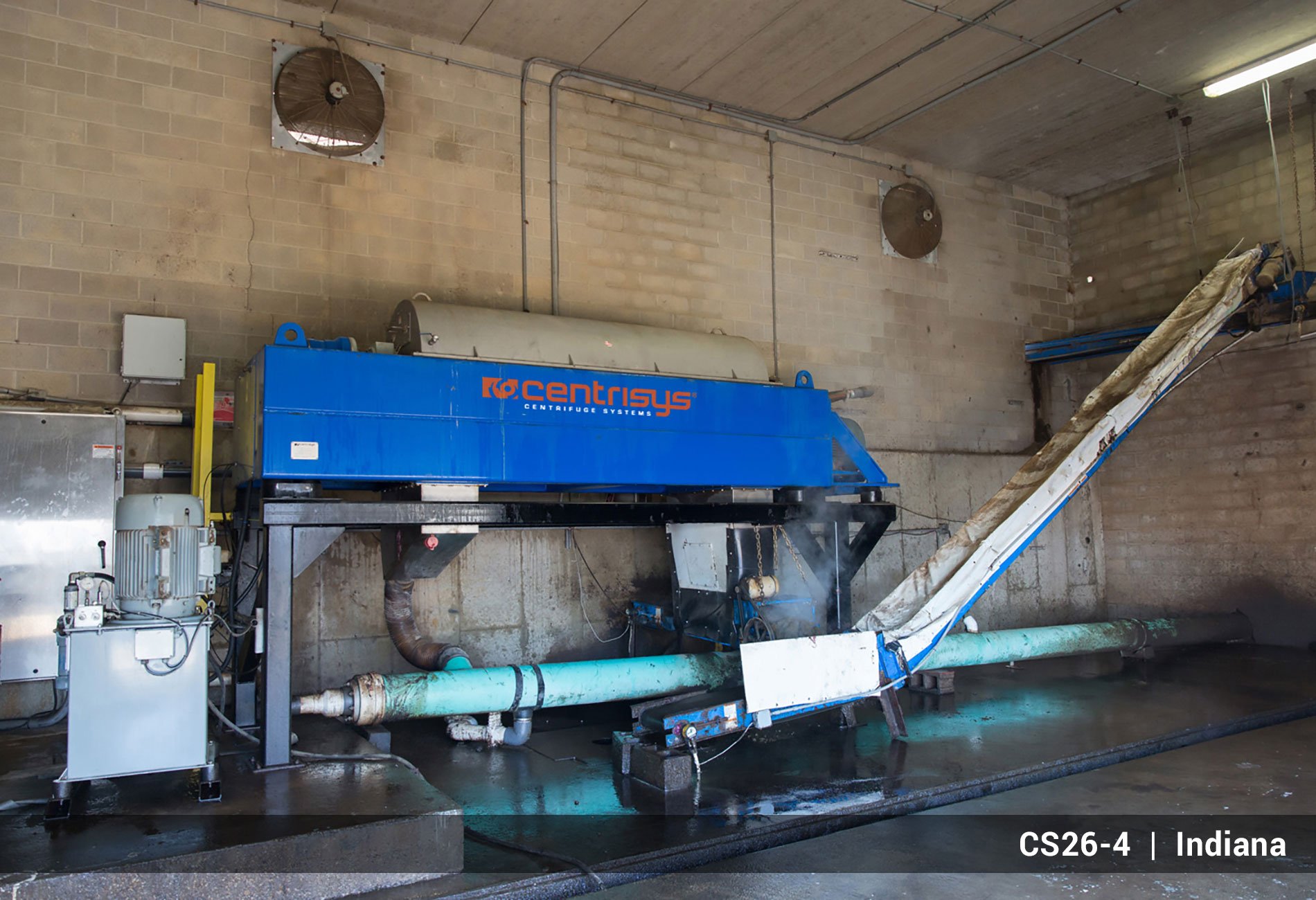
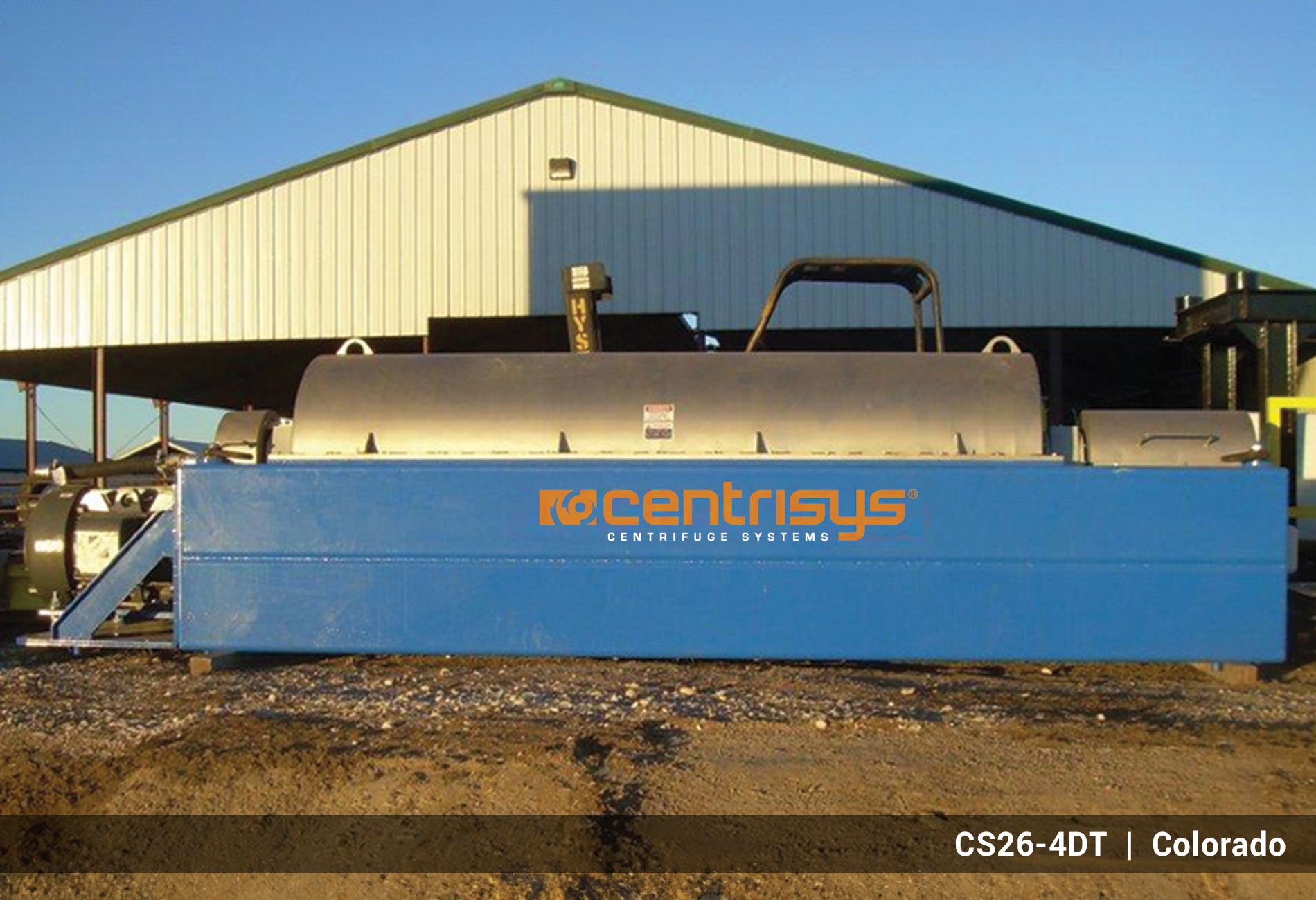
Centrisys CS26-4DT dewatering centrifuge installed in 2018, processing manure after slope screens to remove fine particles.

Measured Results

  • Lagoon dredging reduced by 66%: From annual dredging to once every 2-3 years—going from removing "a few feet of solids" to "only a few inches"
  • Less than 1% TSS in effluent: Chemical-free separation removes virtually all suspended solids before lagoon entry
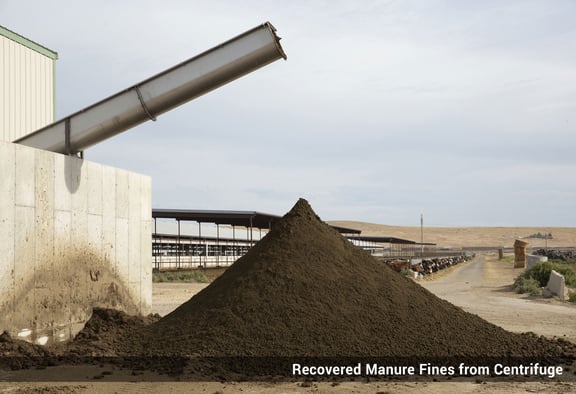
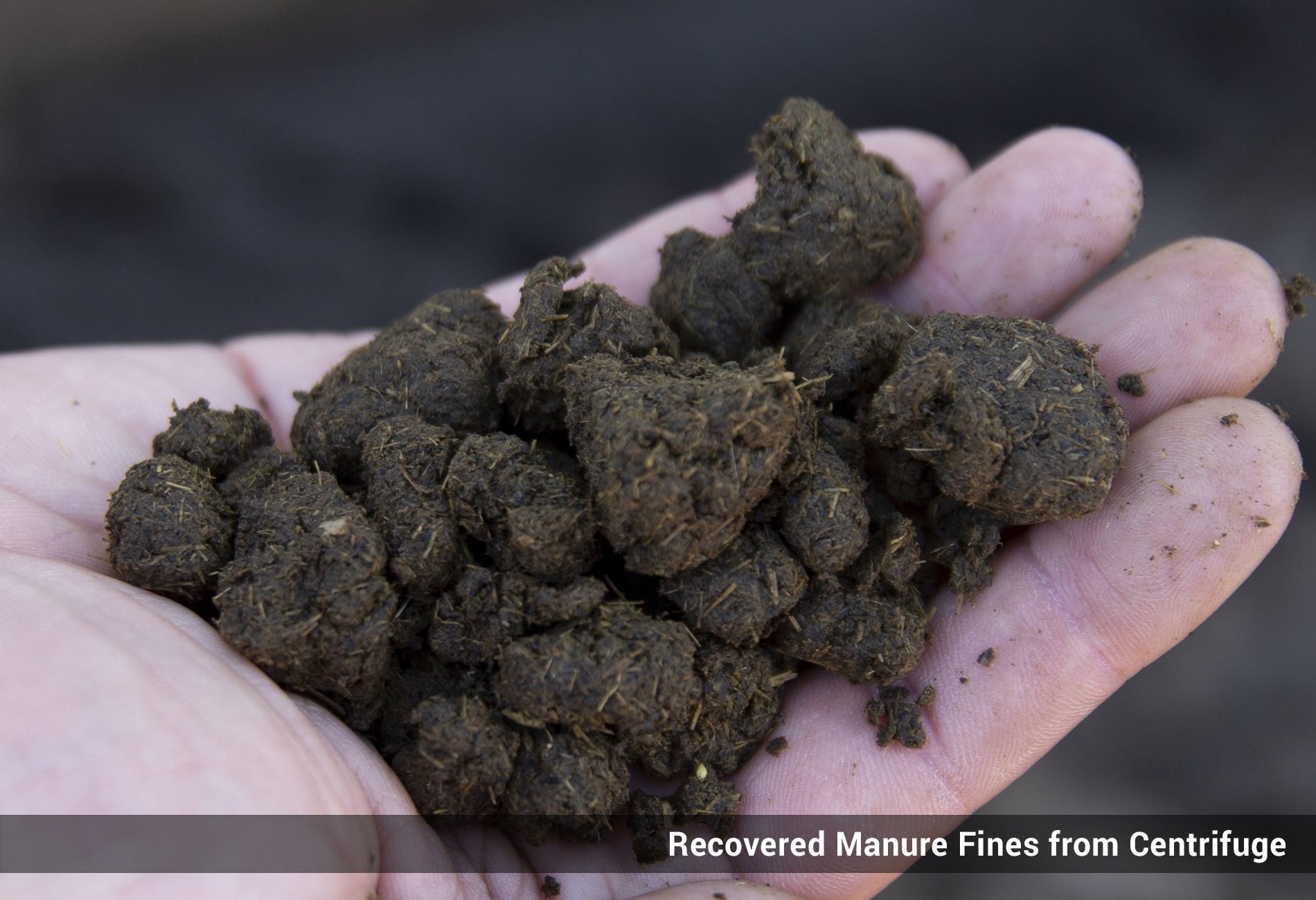
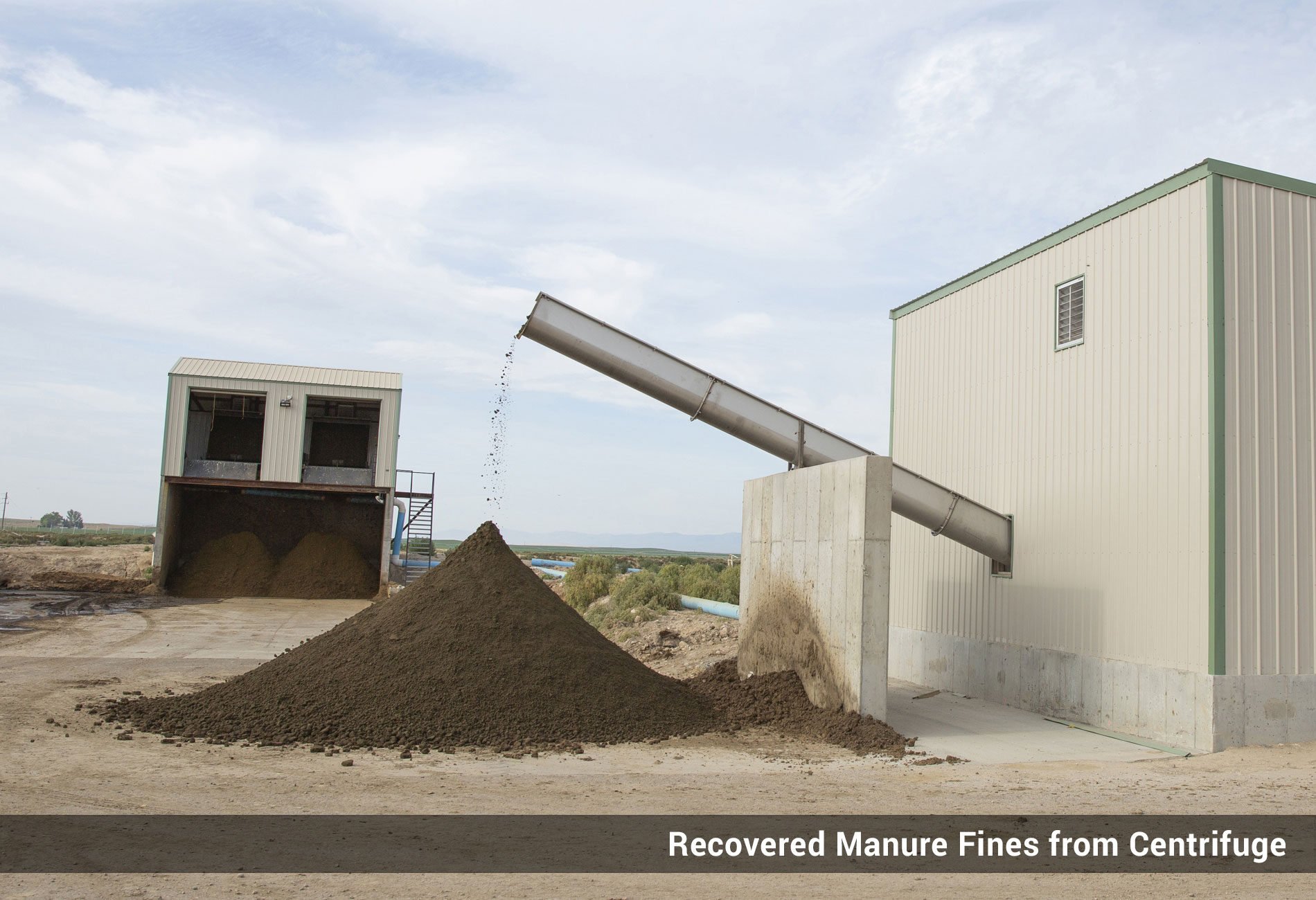
  • 25% total solids cake: Dry enough to resell as compost fertilizer, creating new revenue stream
  • System reliability: Equipment performed exactly as specified from day one
  • Read Manure Separation Case Study

"The Centrisys centrifuge was the first piece of equipment that we bought for manure processing that worked from the beginning the exact way it was promised." 

Don Brand
Bettencourt Dairy

More DT Series Success Stories

The Bettencourt results aren't unique—dairies across the country are achieving similar performance:

Toledo Dairy (Kuna, Idaho) — 4,000 cows

  • Challenge: Elevated phosphorus levels in lagoon water used for crop irrigation; annual lagoon cleaning with pumps and loaders
  • Solution: CS21-4DT centrifuge after slope screen (installed July 2019)
  • Results: 50% improvement in total solids capture; 30% phosphorus removal; reduced annual lagoon cleaning from 4+ feet of solids to just 12 inches; more liquid applicable per acre due to lower phosphorus
  • Read the full Toledo Dairy case study

Deer Valley Dairy (Fort Morgan, Colorado) — 5,000+ cows (expanding to 9,000)

  • Challenge: New facility needed manure recycling system for flush water while minimizing lagoon management costs during expansion
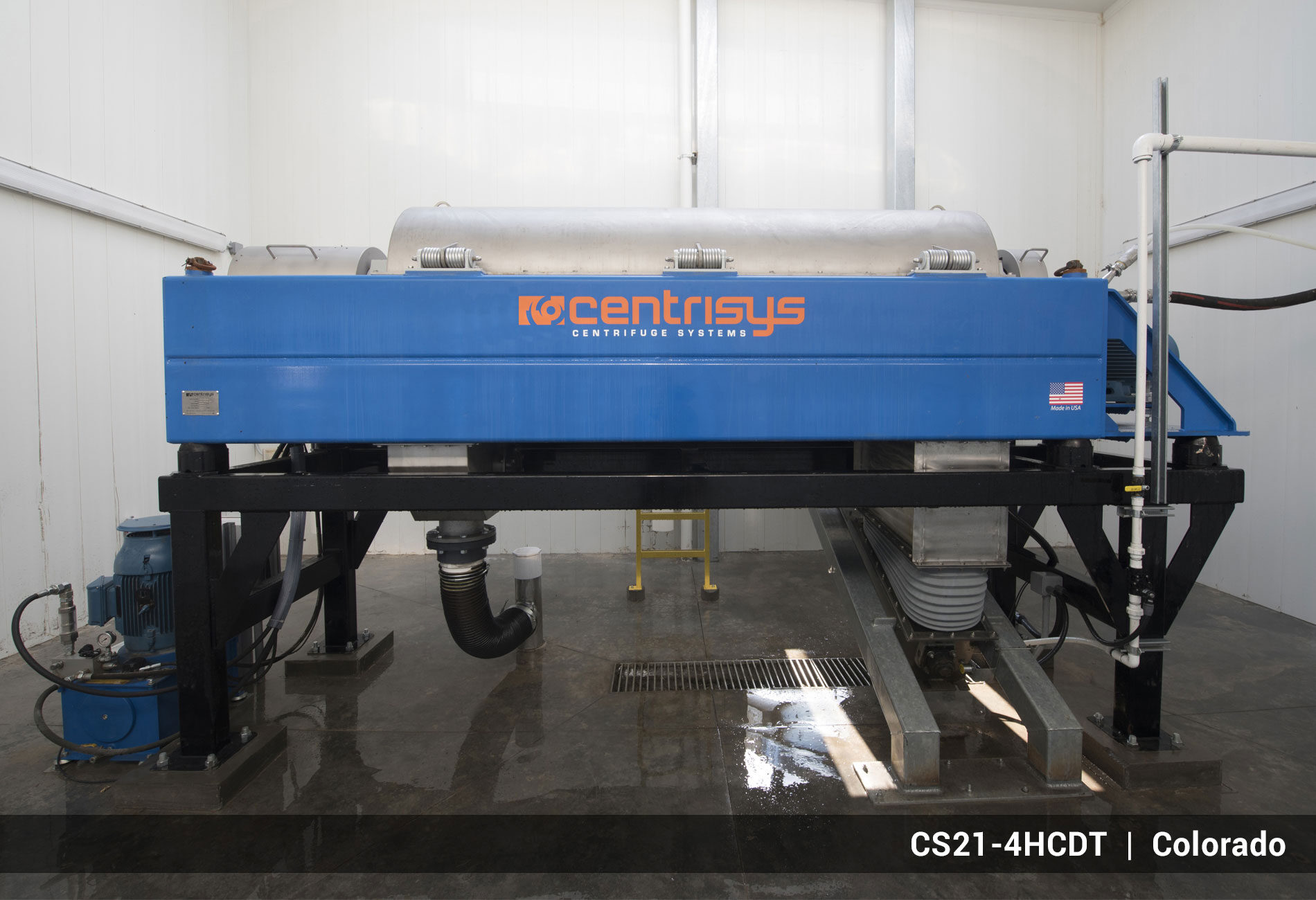
  • Solution: Two-stage system with slope screen + CS21-4HCDT centrifuge processing one-third of screened manure
  • Results: Centrifuged liquid consistently below 1.4% TSS; nearly 50% phosphorus reduction; easy center pivot irrigation with no clogging; minimized lagoon solids accumulation; system designed to scale with herd growth
  • Read the full Deer Valley Dairy case study

Why Choose DT Centrifuge vs. Other Separation Systems

When evaluating manure separation systems, understanding the performance differences between technologies helps you choose the right solution for your operation.

Specifications

Performance Factor DT Series Centrifuge Screw Press Belt Filter
Solids Removal 80–90% 50–65% 60–70%
Phosphorus Reduction Up to 30–50% 20–30% 25–35%
Cake Dryness 25–40% solids 20–28% solids 18–25% solids
Chemical Requirement None Often required Often required
Automation Level Full (PLC) Manual adjustments Semi-automated
Maintenance Frequency Quarterly Weekly Weekly
Typical Lifespan 15+ years 8–12 years 10–15 years

Note: Performance varies by specific equipment model, manure characteristics, and operational parameters. Your specific results depend on your farm's individual conditions.

Made in America, Supported Nationwide

industrial-animal-waste-dairy-manure-fines-3c

The DT Series combines domestic manufacturing with comprehensive field support.​

  • Manufactured in Kenosha, Wisconsin: U.S.-based production means same-day parts shipping, no customs delays, and direct factory support when you need it.​
  • Nationwide service network: Factory-trained technicians across all major dairy regions provide installation, maintenance, and emergency support.​
  • Direct engineering access: Our technical team provides phone and remote support for troubleshooting, optimization, and operational questions—no overseas delays or language barriers.​
  • Multi-brand service capability: Our technicians service all centrifuge brands, not just Centrisys equipment, providing comprehensive support for your entire operation.​
  • 15+ year operational life: Robust construction and proper maintenance support ensures decades of reliable service, not just a few years before replacement

Support from Our Partnerships Throughout the Life of Your Equipment

When you buy a Centrisys centrifuge, you receive a network of service and support from our partners who are local experienced dealers. They help execute the installations and have local employees to help support your centrifuge.

  • Dairy Specialists supplies commercial dairy farms with innovative parlor designs, new construction and remodels

System Customization for Your Operation

Every dairy has unique infrastructure, available space, and operational goals. DT Series installations are customized based on your specific operation.

Assessment Factors

During the feasibility analysis, Centrisys/CNP evaluates:

  • Herd size and daily manure volume
  • Housing type (freestall, compost barn, tiestall)
  • Existing manure handling infrastructure
  • Available space and electrical/water utilities
  • Processing goals (phosphorus reduction targets, byproduct recovery, etc.)

Integration Options

Retrofit into Existing Systems: The DT Series can integrate into current lagoon systems or work with existing manure handling equipment with minimal facility disruption.

Standalone Configuration: For new facilities or major upgrades, a complete turnkey system includes pumps, controls, and discharge equipment.

Scalable Design: Systems can be designed to accommodate herd growth or added processing capacity through modular expansion.

Environmental Compliance & Phosphorus Reduction Support

Phosphorus management is becoming a critical regulatory requirement in concentrated dairy regions. Manure separation supports compliance by reducing phosphorus load in application liquid.

How This Works: Raw dairy manure typically contains phosphorus at concentrations exceeding crop nutrient requirements. Separation concentrates phosphorus in the solid fraction, allowing the liquid fraction to be applied at higher rates without exceeding phosphorus loading limits.

Regulatory Context: EPA CAFO permits and state nutrient management plans increasingly restrict phosphorus application. Separation provides a mechanical solution that doesn't require chemical treatment or off-farm disposal of all excess manure.
FAQs about Manure Separation

+-

What is solid-liquid manure separation?

Solid-liquid separation uses mechanical force to divide raw manure into two fractions: a stackable solid cake (typically 25-40% dry matter) and a clean liquid effluent. The liquid can be used for irrigation or returned to lagoons, while solids are reused for bedding, composted, or applied as fertilizer. Unlike gravity settling or screening, centrifugal separation achieves significantly higher solids removal and drier cake consistency.

+-

How does a centrifuge compare to a screw press for dairy manure?

Centrifuges consistently achieve 80-90% solids removal compared to 50-65% for screw presses, producing significantly cleaner water and drier cake. Centrifuges require no chemicals, have lower maintenance demands, and occupy less space. While initial equipment costs are higher, operations with 1,000+ cows typically see favorable total cost of ownership due to superior performance and lower long-term operating expenses.

+-

What are the environmental benefits of manure separation?

Separation reduces nutrient runoff risk by concentrating phosphorus in manageable solids that can be applied strategically. Clean liquid discharge reduces irrigation system clogging—a particular benefit for center pivot systems—and allows more flexible application timing. By reducing the volume of material requiring storage, separation also minimizes the footprint of lagoon systems and associated environmental management complexity.

+-

Can separated fiber be reused as bedding?

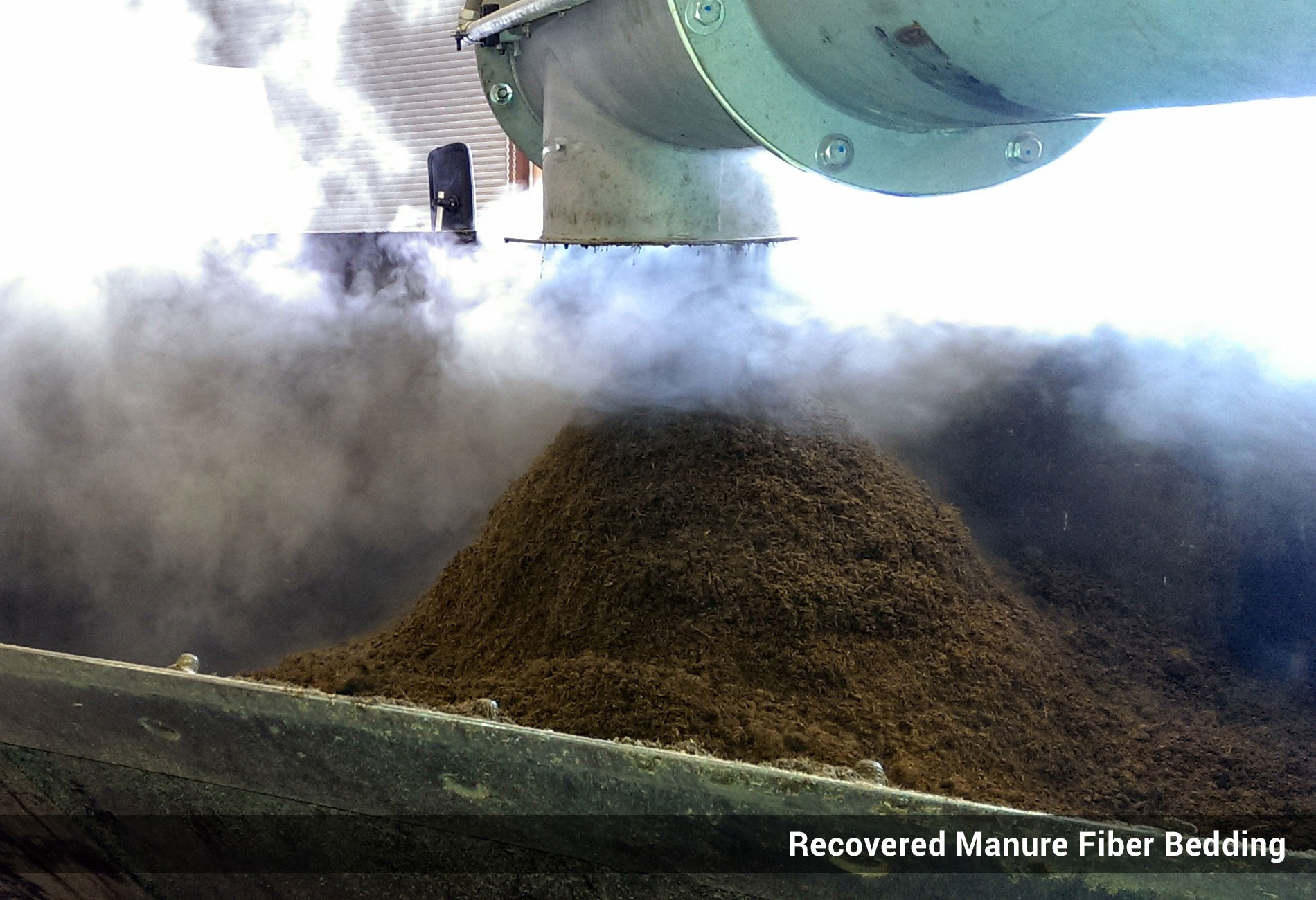
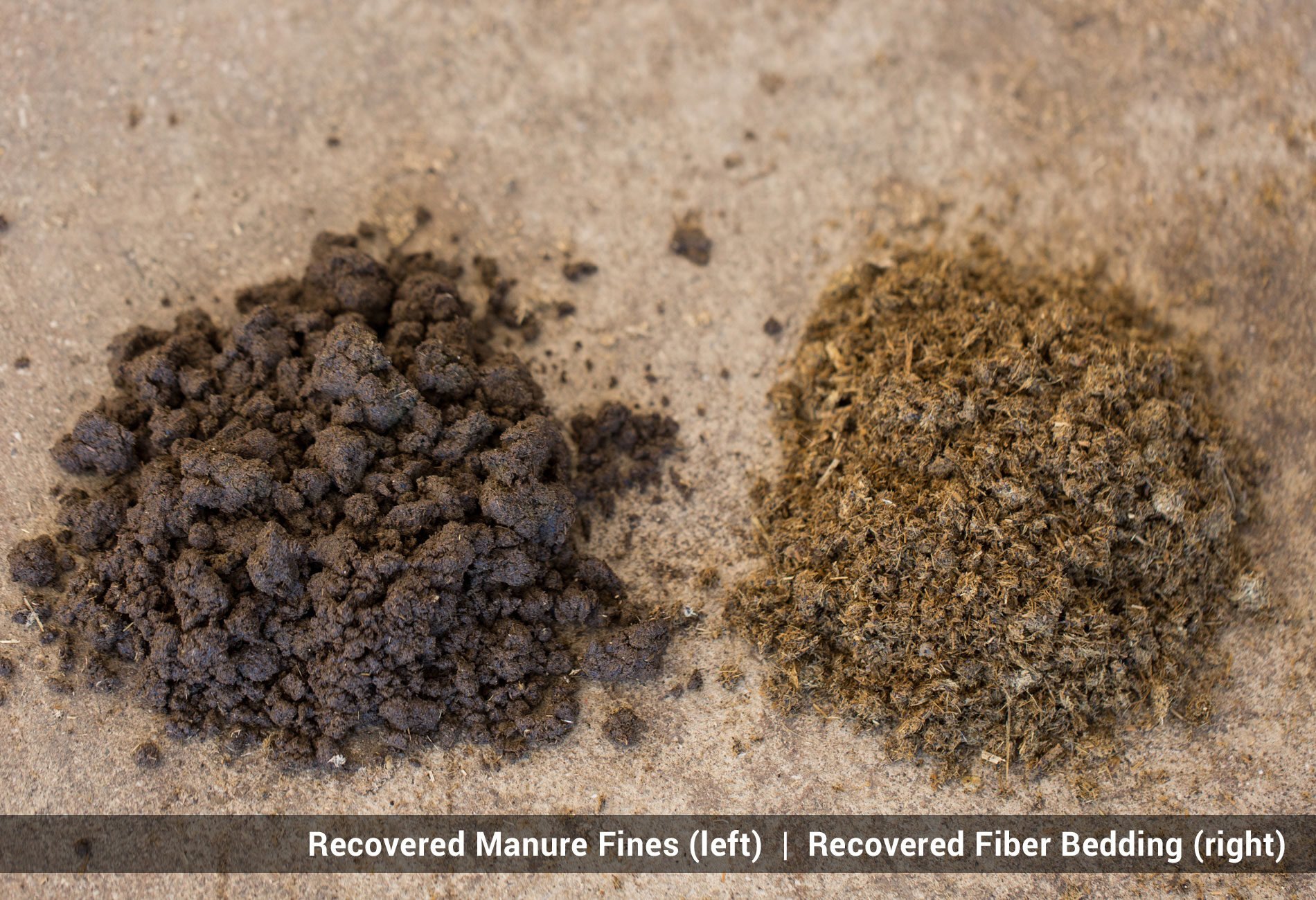
Yes, separated solids at 25-40% dry matter can be used directly as freestall bedding or composted to increase dryness. Dairies using separated solids for bedding report that cow comfort is comparable to commercial products while significantly reducing annual bedding purchases. Proper handling and regular stall maintenance are important for maintaining bedding quality and animal health.

+-

What size farms benefit most from manure separation systems?

Operations with 1,000+ cows typically see the clearest ROI through combined reductions in hauling, dredging, and bedding expenses. Smaller operations (500-1,000 cows) may also benefit depending on local hauling costs, available land for manure application, and regulatory pressures in their region. Every operation has unique economics—a free facility assessment helps determine whether separation aligns with your specific costs and goals.

+-

How do I know if the DT Series is right for my operation?

Schedule a free facility assessment where our team evaluates your manure volume, handling system, regulatory requirements, and operational goals. We'll provide recommendations on system sizing and integration approach based on your specific infrastructure. Most dairy operations with modern freestall housing and flush or vacuum manure systems are good candidates for DT Series installation.

+-

What maintenance does the DT Series require?

The DT Series requires quarterly maintenance including inspection, lubrication, and component checks. Annual comprehensive service is recommended. Maintenance requirements vary based on your specific manure characteristics and operation, but are significantly lower than screw presses or belt filters, which typically require weekly attention.

+-

How is performance measured?

Key performance indicators typically include solids removal percentage (compared to inlet manure), phosphorus reduction in effluent, effluent suspended solids concentration (TSS), and cake solids percentage. System uptime and operational reliability are also important measures. Your specific metrics depend on your operational goals and regulatory requirements. During your assessment, we'll establish a baseline and monitoring approach specific to your operation.

+-

What is TSS and why does it matter?

TSS (Total Suspended Solids) measures the concentration of small particles in liquid. Lower TSS means cleaner liquid that is less likely to clog irrigation equipment, cause environmental issues, or exceed quality standards for application or discharge. The DT Series consistently produces effluent with very low TSS levels—Bettencourt Dairy, for example, achieves less than 1% TSS in centrifuge discharge.

+-

Can the DT Series handle different types of dairy manure?

The DT Series is engineered to handle variable consistency across different housing systems. Freestall flush manure, compost barn manure, and tiestall scrape manure all process effectively. Processing parameters may be adjusted based on solids content and bedding material. Systems integrated with sand separation equipment handle sand-laden manure without issues. During the assessment phase, we evaluate your specific manure characteristics to ensure optimal performance.

+-

Is there a typical implementation timeline?

Yes. From initial contact to full operation typically takes 90 days or less. The assessment phase (weeks 1-3) includes site evaluation and custom design. Manufacturing and site preparation (weeks 4-10) includes equipment fabrication in Kenosha and foundation/electrical work at your facility. Installation and commissioning (weeks 11-12) includes setup and operator training. Most dairies are processing manure through the DT Series within this timeframe.

+-

Do I need chemicals or polymers for the DT Series to work?

No. The DT Series uses mechanical centrifugal force to separate solids from liquid—no chemical additives or polymers are required. This eliminates ongoing chemical costs and simplifies operational complexity. The mechanical approach also avoids the variable results and additional labor that chemical treatment systems often require.

 
Scott Brown Headshot

Scott Brown

With more than 15 years of experience in the waste management industry, Scott Brown specializes in manure management solutions for dairies of all sizes across the United States. Scott’s extensive hands-on expertise with a wide variety of manure management systems means he can tailor the right solution to meet your unique needs. Ready to get started? Fill out the form to connect with Scott and discover how Centrisys/CNP can help optimize your operation.

Connect With Scott

Resources

Videos